
If two orders appear for one planned signal, trace both back to their alerts. Check for two active alerts, a repeated event, or a resend. First make sure you are not counting the stop and target of one bracket as extra entries. Match each broker order to its source.
Educational software guidance. Trading involves risk. Read the financial and information disclaimers.
Step by step
- 1 Pause new entries while preserving management of existing orders.
- 2 List all enabled TradingView alerts for the strategy and symbol.
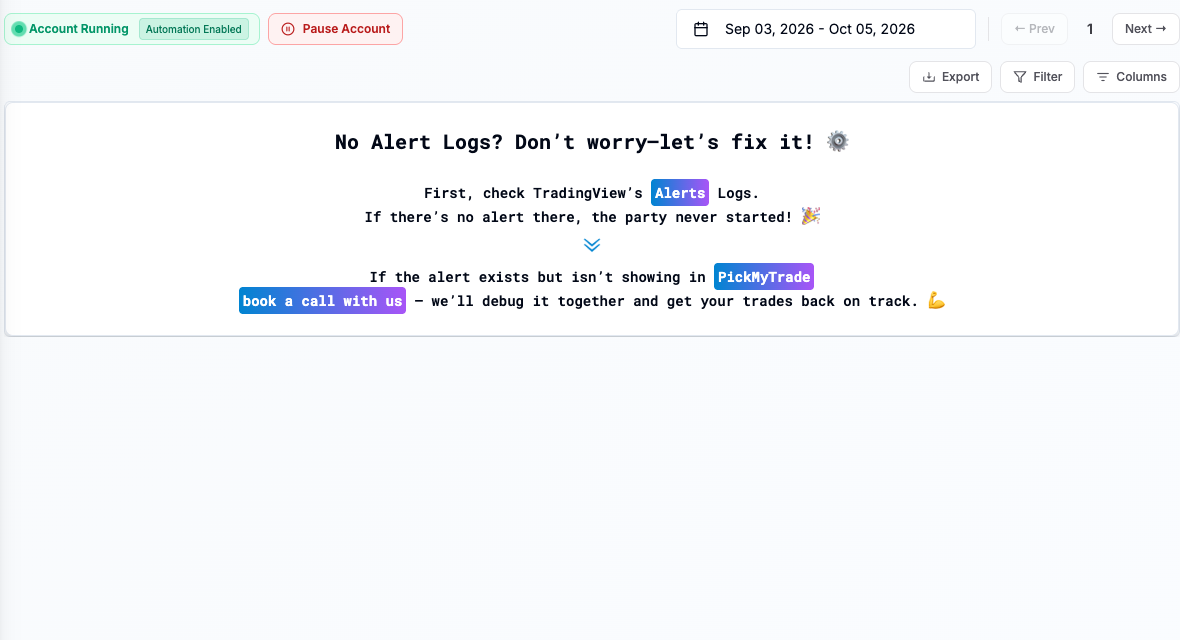
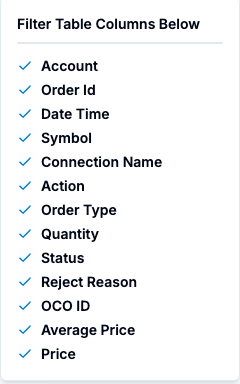
- 3 Compare alert timestamps and payloads with PickMyTrade’s receipt records.
- 4 Check whether retry or resubmission behavior produced repeated delivery of one event.
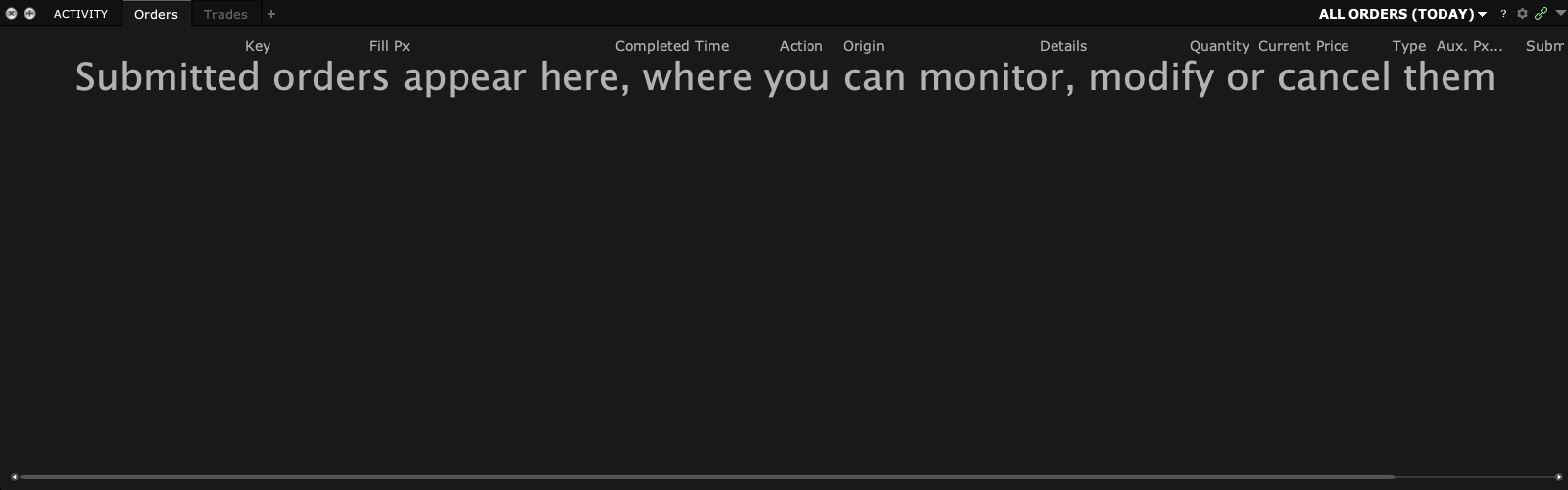
- 5 Match the resulting TWS order IDs and remove the specific duplicate source before a paper retest.
A practical example
Suppose you see two buy orders for what you thought was one signal. First list the alerts that were on. You may have left both an old alert and its replacement active. Or one event may have been sent more than once. Match times and message IDs before deciding. Also count the type of each order: one buy entry plus a sell stop and sell target is not three buy entries. It can be one bracket. The goal is to find which signal caused each broker order. Keep that small map in your notes. Do not delete orders at random to make the count look right, because some may be the exits you still need.
Screen reference
Mistake to avoid
Common questions
Does TradingView ever resend a webhook?
Its documentation describes resubmission for certain server error responses.
Can I assume the receiver removes duplicates?
Verify the app’s behavior; do not assume universal duplicate protection.